

Defining the New World Order
The term “New World Order” (NWO) encompasses a wide range of interpretations, particularly within political discourse and conspiracy theories. Historically, it refers to a significant shift in political and economic paradigms that advocates for a centralized global governance structure. The origins of this concept can be traced back to various events, such as the aftermath of World War I and II, which birthed notions of international cooperation and global forums like the League of Nations and later the United Nations.
In contemporary settings, the term has evolved to capture the anxieties surrounding globalization, technological advancement, and the increasing interconnectedness of nations. Proponents of the New World Order argue that such integration fosters peace and prosperity through cooperative governance frameworks. Conversely, critics often associate it with loss of sovereignty, fearing that it could undermine national identities and propagate a centralized authority that could dictate policies without accountability to individual nations. This dichotomy illustrates the tension inherent in discussions about global governance.
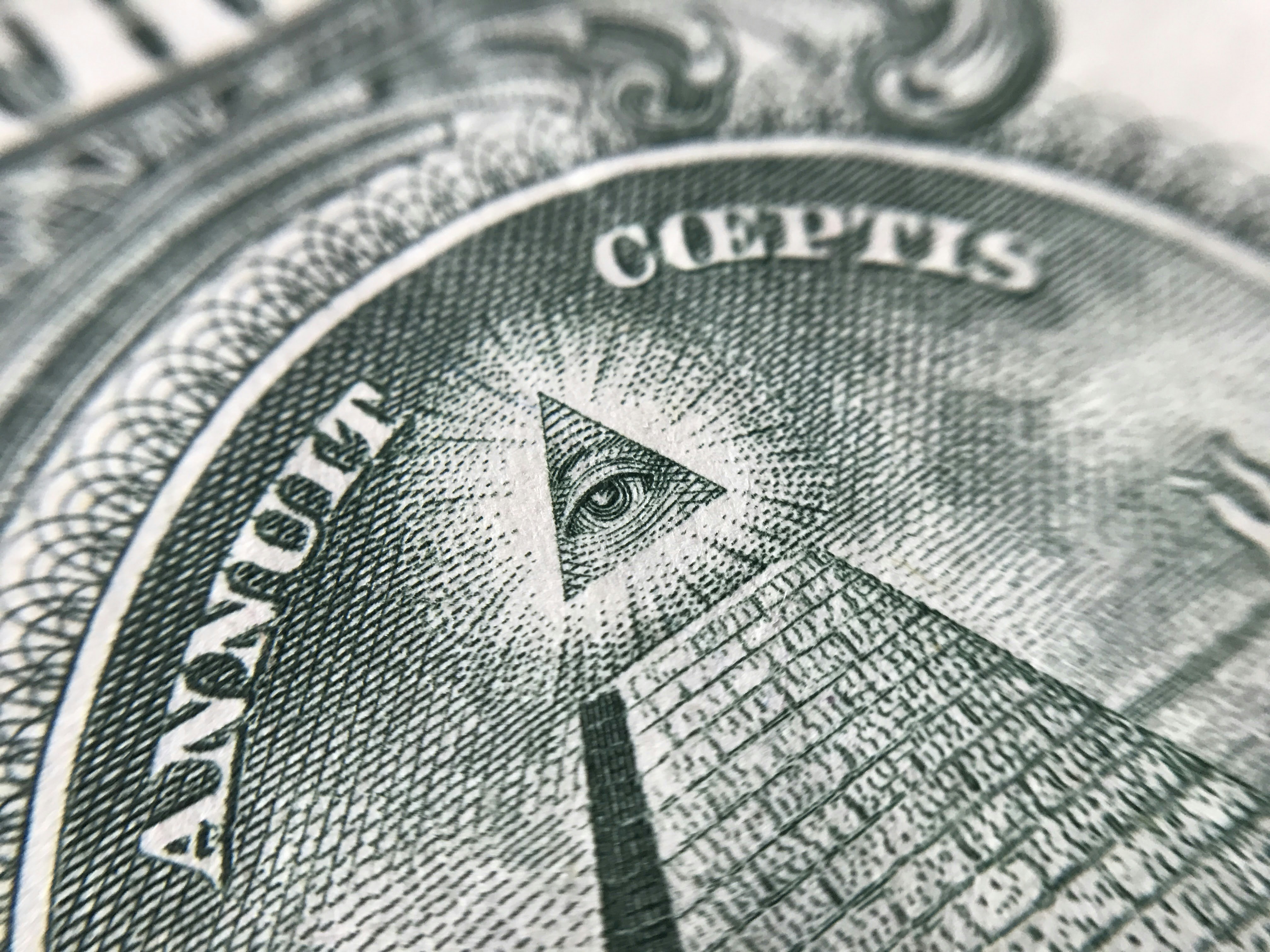
Conspiracy theories surrounding the New World Order further complicate its definition. Many theorists speculate that secretive organizations—such as the Freemasons, Jews, the Illuminati, and even the Papacy—are manipulating global events to realize a shared agenda of dominance and control. These narratives often reflect a blend of historical facts, mythologies, and social anxieties, leading to a skewed perception of the motives underpinning these organizations.
In this context, understanding the New World Order requires navigating through its multifaceted interpretations and acknowledging the socio-political anxieties that accompany discussions of global governance. By dissecting the term’s historical origins and present-day implications, individuals can better comprehend the foundational elements of this enduring concept.
The Alleged Influence of the Freemasons
Freemasonry, often described as a secretive fraternal organization, has been the subject of intense scrutiny and speculation regarding its alleged influence on global affairs and its role in the concept of the New World Order. Historically, the roots of Freemasonry can be traced back to the late 16th century, with its growth solidifying in the 18th century through the establishment of lodges. The organization promotes values such as brotherhood, charity, and the pursuit of truth, but it is frequently criticized for its perceived clandestine nature and political maneuvering.
Key beliefs within Freemasonry emphasize moral development, personal integrity, and the importance of contributing to society. However, this idealistic framework has provided fertile ground for conspiracy theories. Advocates of the New World Order theory often paint Freemasons as actors behind the scenes, purportedly guiding influential figures, including politicians and industrialists, to align with a broader agenda aiming for global domination.
Notable historical figures often cited as Freemasons include several U.S. presidents, political leaders from various nations, and influential thinkers. These connections have led to claims that Freemasonry is involved in orchestrating significant political shifts and social changes, posing a critical challenge to traditional power structures. For instance, events such as the American and French Revolutions have been linked to Masonic influence, suggesting that these changes fit into a larger narrative of elite control.
Furthermore, Freemasonry’s penchant for secrecy has sparked a variety of interpretations, often categorizing it alongside other organizations like the Illuminati and the Papacy within conspiracy theories related to the New World Order. The ongoing discourse surrounding Freemasonry reveals a complex interplay between historical facts and speculative narratives, warranting a critical examination of its role and alleged influence in contemporary global dynamics.
The Jewish Connection: Myths and Realities
The discourse surrounding the concept of the New World Order has often been intertwined with various prejudices. Among these is the persistence of anti-Semitic beliefs that erroneously link Jewish identity and culture to ideas of conspiratorial control. Historically, these notions can be traced back to centuries-old stereotypes suggesting that Jewish communities wield disproportionate power over economic, political, and social systems. Such beliefs have laid a foundation for harmful narratives that continue to influence contemporary discussions regarding the New World Order.
One of the key mythologies positing Jewish involvement in a supposed global agenda is the fabricated notion of a secret cabal orchestrating world events. This narrative has perpetuated discrimination and violence against Jewish individuals and communities, often materializing in baseless accusations and conspiracy theories. Narratives like the infamous “Protocols of the Elders of Zion” exemplify how fabricated texts have fueled a vicious cycle of misinformation and fear, creating a scapegoat for societal issues.
Despite the undeniable historical grievances and challenges faced by Jewish communities, the perpetuation of these myths presents significant consequences for societal cohesion. It leads to increased marginalization and polarizes public perception, redirecting attention away from legitimate discourse about political and economic systems. Such narratives can obscure the complexities of governance and international relations, simplifying important issues into misleading tropes that align Jewish identity with nefarious plots.
In addressing these damaging myths, it is essential to cultivate a more nuanced understanding of the Jewish experience. This involves recognizing the diversity within Jewish communities and distinguishing between legitimate criticism of policies and harmful stereotypes. Acknowledging the rich cultural contributions of Jewish individuals while confronting and dismantling these longstanding myths can foster a healthier social discourse that emphasizes mutual respect and understanding.
The Illuminati and the Papacy’s Alleged Control
The concept of the Illuminati has captivated public imagination, often being conflated with various global conspiracies. Historically, the Illuminati refers to a Bavarian secret society founded in 1776, aimed at promoting Enlightenment values and opposing religious and political oppression. However, over the years, its mythology has expanded significantly, leading to an intricate web of conspiracy theories that allege profound influence over global events. This blend of historical foundation and speculative myth has fostered a sensational narrative of the Illuminati’s control over world affairs.
In tandem with the Illuminati’s narrative, the role of the papacy is frequently highlighted in discussions concerning global power dynamics. The papacy wields significant spiritual power within the Catholic Church, which is one of the largest religious institutions worldwide. Some conspiracy theories suggest that the papacy plays an integral role alongside the Illuminati in the orchestration of a New World Order. Proponents of this view argue that the Church has historically influenced political decisions and social norms, thus contributing to a hidden agenda that seeks to consolidate power and establish a global government.
Despite the allure of these claims, it is essential to differentiate between speculation and historical fact. Historical records indicate that the Illuminati eventually dissolved in the late 18th century, largely due to governmental opposition. Similarly, while the papacy undoubtedly possesses influence, the complexity of global politics reveals that power is often distributed among various entities and not solely concentrated in a single organization or doctrine. The narratives that associate these two institutions may provide a thrilling storyline but fall short of substantiated evidence. By grounding these discussions in factual history, we can better understand the broader spectrum of global power dynamics and the misconceptions surrounding the Illuminati and the papacy.